
THE JUNE JOURNAL 2026
Musings On Tatsuki Fujimoto 17-26
With the spring anime season wrapping up, we thought we’d take advantage of this lull to post about a anime from a phenomenal creator that doesn’t receive a lot of writing attention: Tatsuki Fujimoto 17-26. Sitting solidly in the seinen genre, these episodes should be front and center for any viewer that gravitates towards dark psychology, genre-bending themes, intense visuals and surreal situations. Fans of horror, science fiction and dystopia will find these stories satisfying, as they activate the shadowy realms of our imagination.
And don’t worry — we kept it spoiler-free, so enjoy the read! 🖤
OVERVIEW
Aliens. Assassins. Horns. Fins.
Human or god? Friend or foe? Hunter or prey?
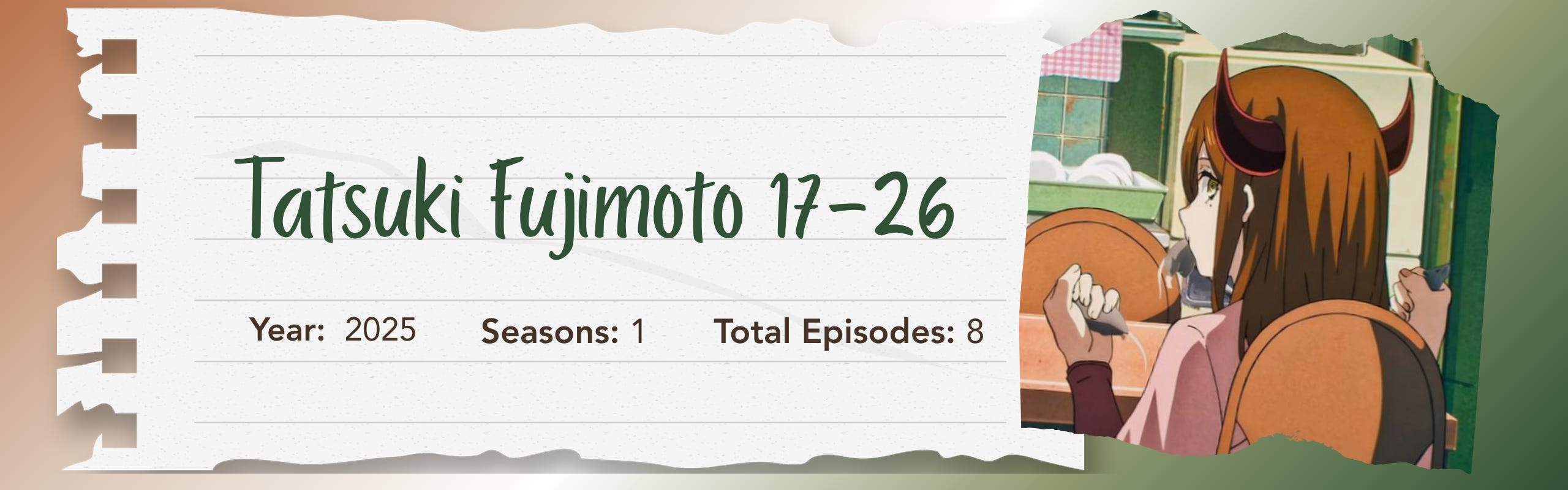
Science fiction, fantasy, and horror prevail in the short stories that comprise Tatsuki Fujimoto 17-26. Best known for his work, Chainsaw Man, Fujimoto had several one-shot stories published from age 17 to 26, which were adapted into this 8-episode, Original Net Animation series (i.e. released directly online rather than streamed on TV). You may expect this to be a Chainsaw Man prequel, but it is not. At all.
Tatsuki Fujimoto 17-26 is its own collection of standalone short stories, none of which depend on the other for continuity of characters or storylines. They all take place in their own world with their own characters, and without a consistent, overarching feel or tone apart from their intense and expressive visual impact. You can never predict how a character will react, nor if what you believe to be true in any given moment is actually the case. While the lack of continuity among the episodes may feel like a disjointed reset to some viewers, each episode is in actuality a compact masterclass in complex storytelling.
Managing to be both surreal and thought-provoking, the tight plots of each episode don’t waste a second of air time. Characters are introduced with already established personalities, delivered in tandem with an event from their life; and with clear indication that the main triggering event occurred in the past. What helps ground the trajectory of each episode as it moves forward from this origin is a key main character’s singular perspective that the viewer can focus on. Even with highly important supporting characters, the main characters guide us throughout the episode, as we get inklings of how they arrived to where we met them.
While every episode warrants a watch, here are the three episodes that stood out as most memorable for us:
A Couple Clucking Chickens Were Still Kickin’ in the Schoolyard:
Synopsis:
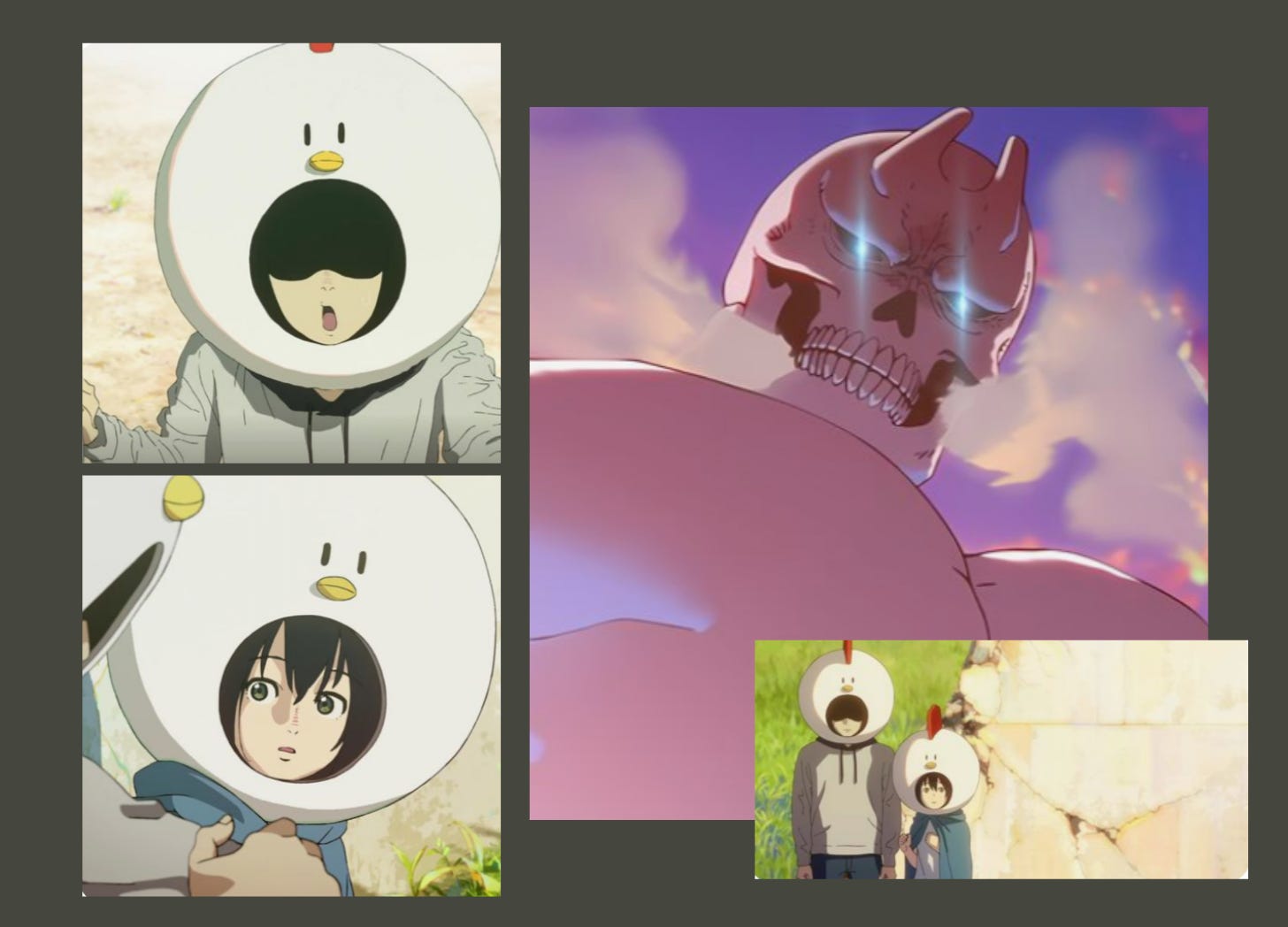
In 2019, an extraterrestrial force successfully defeated Earth, devastating for humanity. To aliens, humans are no more than livestock, just as chickens were to people. In the midst of this, Yūto and Ami are two humans surviving by disguising themselves as chickens, which most aliens find unappealing. However, a diligent student named Yōhei discovers their secret.
Why we liked it:
This is the first story of the series, and it delivers the plot, action, and visuals explosively. Terror, curiosity, and compassion all compete among the characters, who may or may not be who they seem. It is a masterful portrayal by an unreliable witness that pulls us between the sense of a frantic present and a thoughtful recollection.
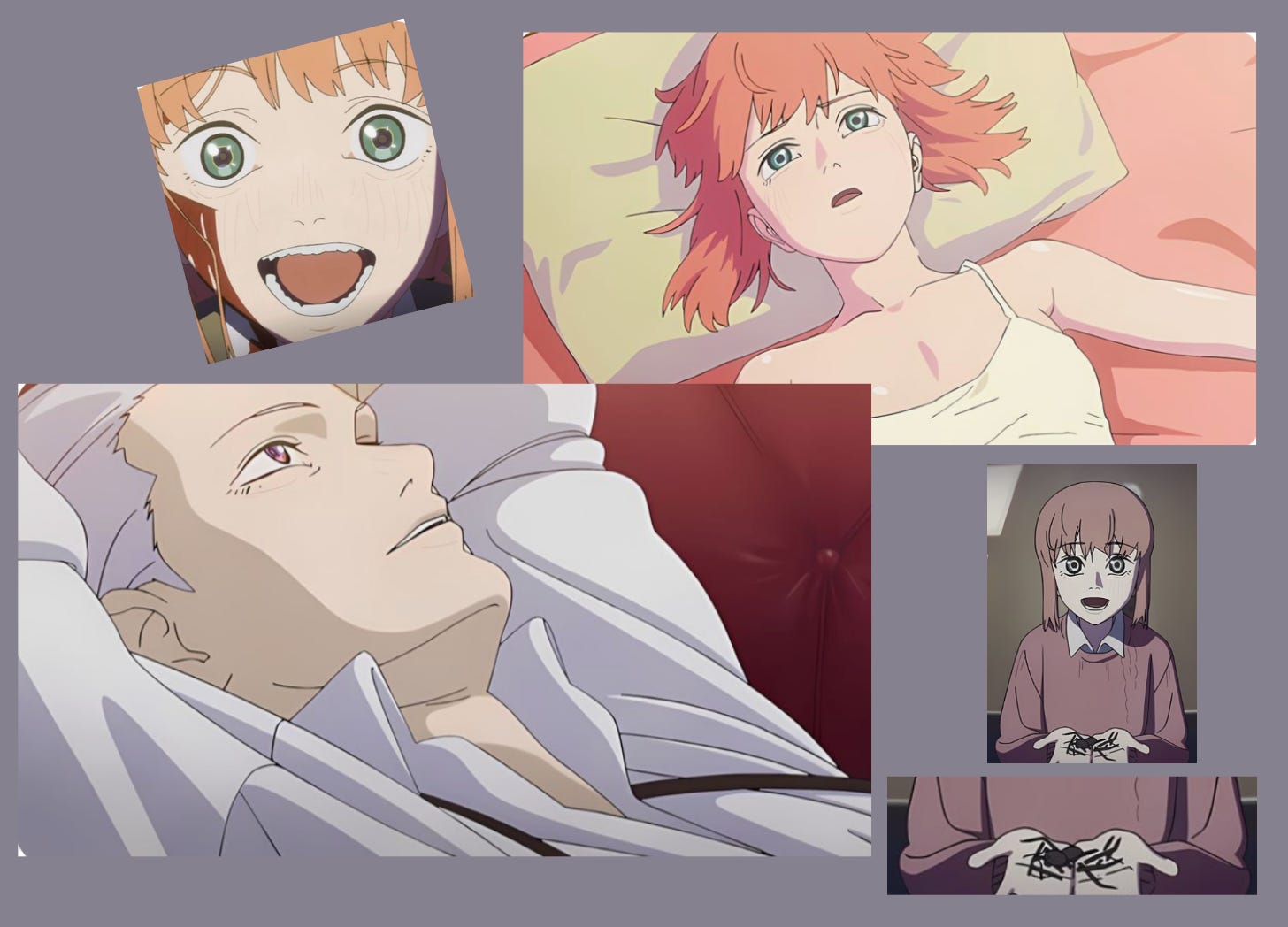
Shikaku
Synopsis:
Regarded as a monster by her parents since childhood, Shikaku evolves into a highly skilled assassin, renowned for her meticulous precision and unexpected compassion towards her victims. She is offered $100 million by a mysterious client for a request that may finally be her match. But then the end goal shifts, and round two brings a different facet of her qualities to light.
Why we liked it:
Amidst violence and gore, there is underlying sympathy for Shikaku; in particular, how she tried to understand herself and those who have misunderstood her throughout her troubled past and inescapable criminal present. This story is a twist on many tropes, and the seconds of dark humor make you realize that there is always a new way to tell an ancient tale.
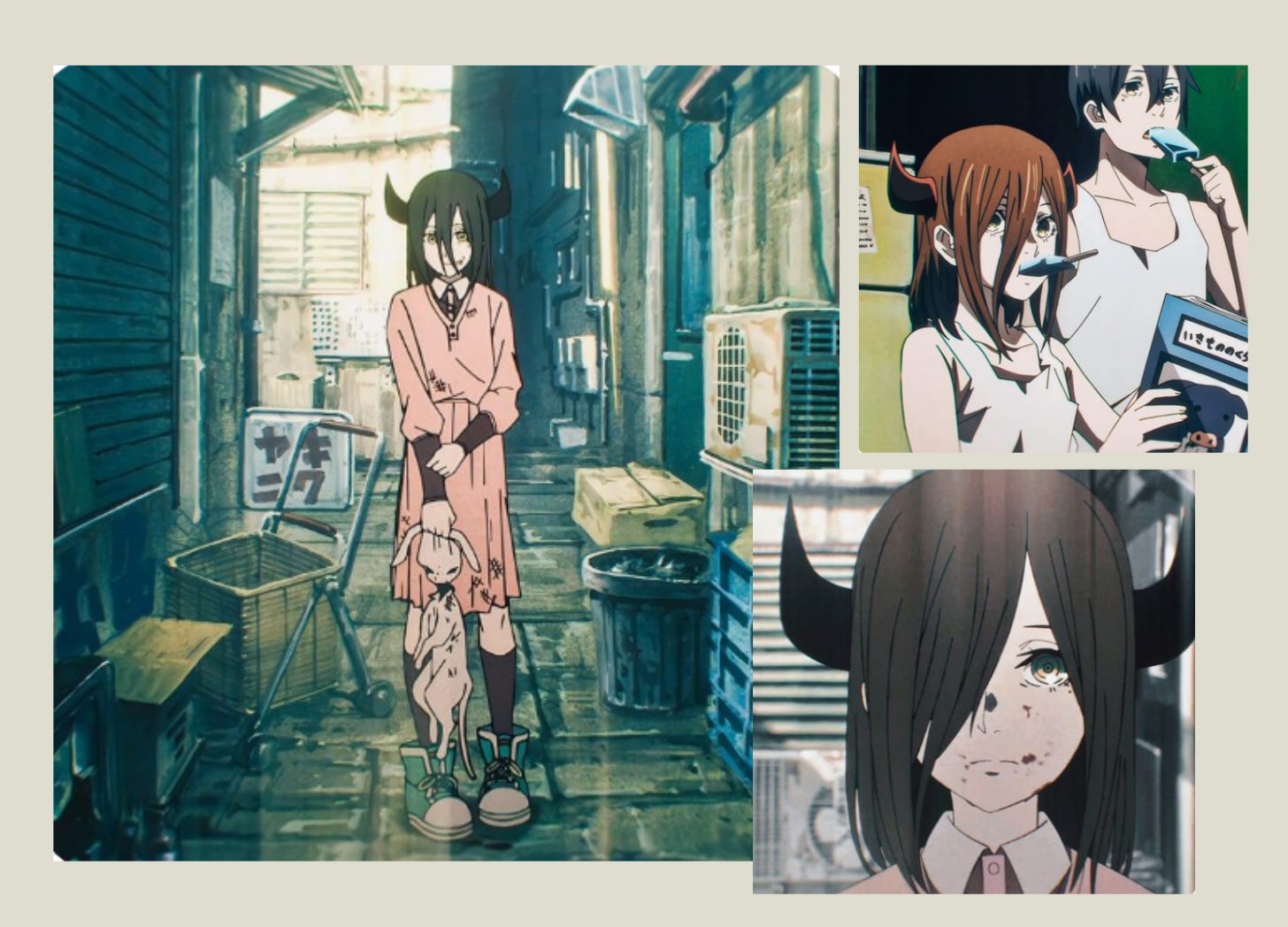
Nayuta of the Prophecy
Synopsis:
Kenji’s younger sister, Nayuta, was born with horns on her head, a congenital absence of a human heart, and can only speak curses. When she is identified as the prophetic harbinger of the world’s end, she becomes a figure of fear and disdain by the public at large, and is held responsible for their parents’ deaths and others’ misfortunes. Yet Kenji remains committed to caring for and protecting his little sister, no matter what the cost to him. But how long can he hold out against the world?
Why we liked it:
This takes the classic “prevent the world’s apocalypse” trope and inverts it. While dark fantasy and doomsday may appear to drive the story, it is the bonds of family and self-sacrifice that we hope win against the soothsayer’s prophecy. Because just when we feel like we might sympathize with those who fear the horror she can bring, her brother helps us see her once again with fresh eyes and renewed sympathy.
ANIMATION STYLE
Extraordinarily unique, each episode was produced by a different staff and animation studio. This gives additional visual indicators that every episode is its own, self-contained story to be uniquely drawn and visualized. In the majority of the eight episodes, violence, gore, horror, and adult situations are depicted graphically without any glossing over. The range of settings and scenery has no constraints, so we are taken from outer space to the bottom of a lake, from a tiny bedroom to a mansion. Visually, we are captivated by what we are shown and never bored.
CONTENT ADVISORY: Due to the graphic nature of this anime, viewers should note this contains mature content, both visually and conceptually.
TARGET AUDIENCE
The target audience for Tatsuki Fujimoto 17-26 is not faint of heart. None of the stories can be called “light-hearted”, though some are not as dark as others. The target audience enjoys stories that don’t explain every detail, ask the viewer to derive their own conclusions, and don’t limit themself to only one genre per storyline. The audience who will enjoy this series the most are those who have an appreciation and longing for storytelling as an art form, as opposed to just a vehicle for entertainment. While it toes the line of disturbing to the point of off-putting in numerous instances, it never takes its characters to a place past redemption. Hidden among the frightening, ridiculous, and surreal darkness, there are thought-provoking themes which redefine the way we interpret genres, and how their intersection challenges our view about the humanity of these characters.
MUSIC
There is no opening theme that indicates this is a series. Rather, each story has its own music. Only one episode has a “theme” to it, which is integral to the plot.
Ready to watch Tatsuki Fujimoto 17-26? Head over to Prime Video to experience this one-of-a-kind anime.
SIMILAR ANIMES
While Tatsuki Fujimoto 17-26 is unique in almost every aspect, some episodes share similar plots and themes to other full anime series, such as:
Chainsaw Man for more of Fujimoto’s blend of surreal and cerebral. It has the same approach to mature and dark themes, so also not for the squeamish. Or try Look Back by Fujimoto for an intense bittersweet friendship story that is well-served by the highly-detailed graphical rendering of its characters in his unmistakable visual style.
Demon Slayer and Dororo for prioritizing familial bonds over the world’s opinions about supernatural and atypical humans, and struggling against insurmountable odds to protect their family, even when it requires a level of violence that challenges their purity of heart.
Takopi’s Original Sin for the depiction of dark themes of abuse and neglect combined in high contrast with the surreal positivity of an alien creature who creates unexpected consequences despite its best intentions.
Dorohedoro and Dan Da Dan for the surrealism and high-intensity visuals.

The Window Seat Anime Journal publishes both spoiler-free “Snapshots”, and long essays for those who want to a deeper exploration of its themes. Make sure to subscribe and never miss a post!
You can view our entire collection of writing on our Substack website at:
Great recommends!
Shikaku sounds exciting!! Also the art style looks really interesting. I like how you gave just enough info to get me interested int it without explaining too much.